
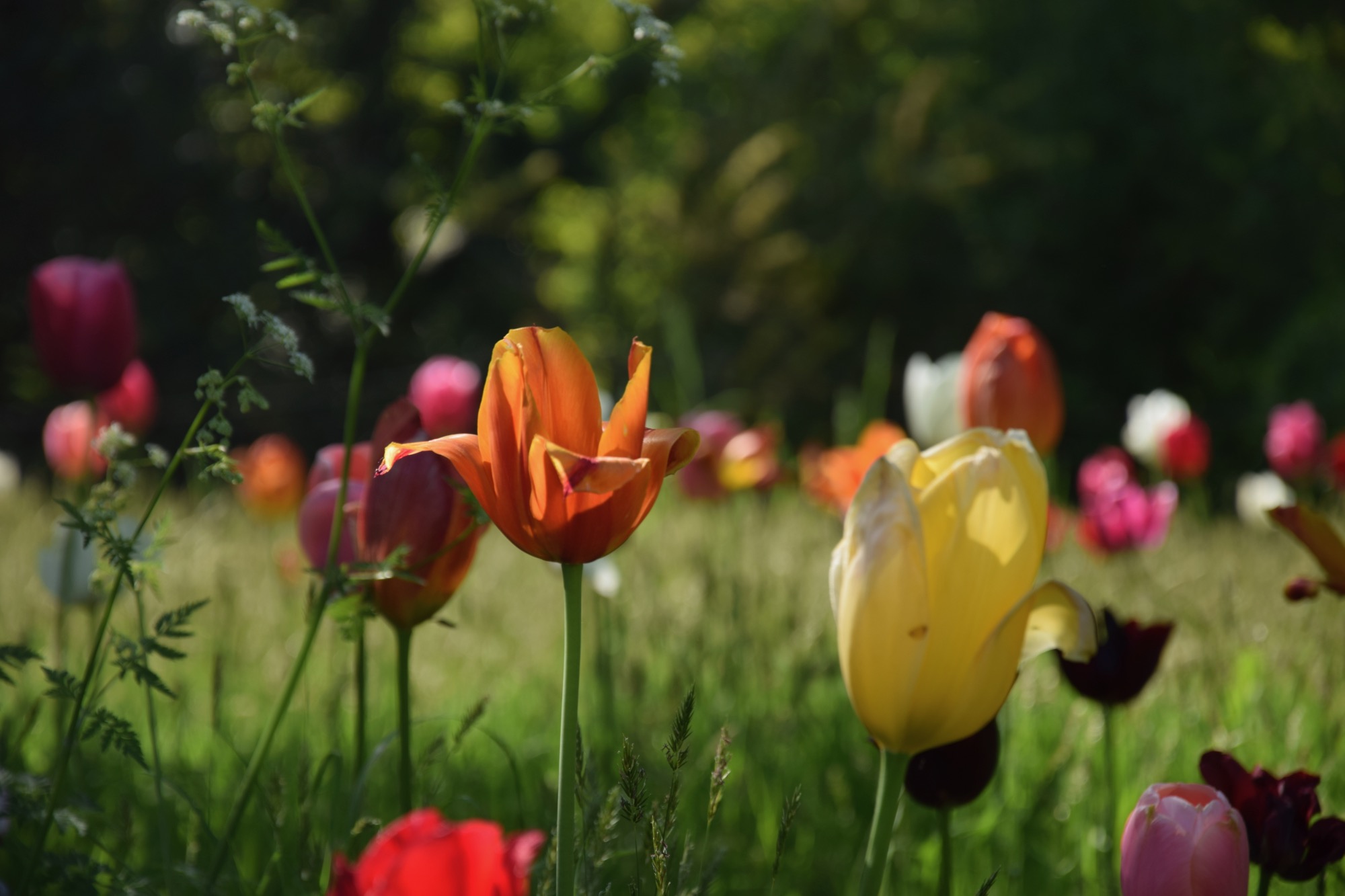
A trip to London again, I know—and this one’s to a fairly standard tourist attraction too, the Royal Botanic Gardens in leafy Kew, so not really the sort of thing I blog about. But that was where I went, so I don’t really have much choice. Come back next week for insight into the delights of Leicester, but, for now, here is a write-up of an actual tourist attraction—admittedly, though, a write up of a garden by someone who knows basically nothing about plants.
Date of visit: Saturday 5th May 2018
Journey time: approx. 2hrs (1hr10 or so to Marylebone, then Bakerloo line southbound to Piccadilly Circus, Piccadilly line westbound to Hammersmith, and District line westbound towards Richmond)
Fare: £20.55 (Off-Peak, with 16–25 Railcard, including Zones 1–6 Travelcard)
Don’t queue when you arrive, is my first piece of advice: it took me way too long to realise that the mobile site would let me buy a ticket (£7.50 for students) that I could show on the screen, thereby skipping most of the line (but then I suppose waiting for a bit was fitting at Queue Gardens, ha ha). Especially on a weekend, especially on a bank holiday weekend, and especially on a hot bank holiday weekend, you can expect to have to wait around otherwise—and this was made particularly bad by the fact that this was the first day after the reopening of the Temperate House, which I’ll tell you about now.
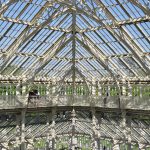
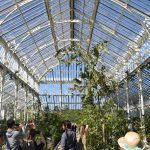
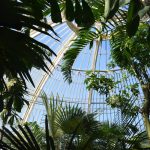
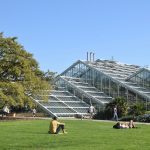
Five years ago, this greenhouse, the largest surviving Victorian glasshouse in the world, was closed for much-needed refurbishment (well, I say “much-needed”, I’d never been before—I’ll take their word for it). Grade I-listed, it’s certainly dramatic, though much less warm than I expected—until I remembered that that’s why it’s called the Temperate House. However, that certainly made it a more pleasant experience to wander around than the Palm House, which I’ll come to later.
I know I’m getting into risky territory here, but I really should try and talk about the plants—in the case of the Temperate House, sure, they were impressive, I guess, and there were many of them, mostly green, and they were very, er, temperate? Just let me go back to the buildings: especially fun to wander around is the balcony, from which you can admire the walls of glass, and look down from slightly-giddy heights at the presumably-rare plants.

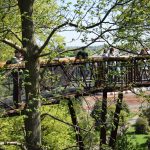
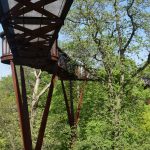
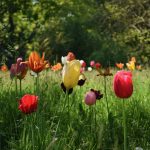
Keeping to the theme of things acrophobes should avoid, near the Temperate House is the Treetop Walkway, which takes you up to 18 metres above the woodland floor (two-thirds of Kew’s area is taken up by its arboretum). Like before, I don’t really know what to say about the plants themselves—there were trees, and I guess it was cool to look down on them—but the structure is impressive, even if it feels a little precarious, being supported on metal pylons dotted between the trunks.
Moving back to greenhouses, there are two more major ones to see: starting with the Palm House, which is bloody hot—the Temperate House had fooled me into forgetting that this is normal for, and (some would argue) the point of, greenhouses—and, especially with the thick density of (huge, impressive) plants, was probably as close to walking through the rainforest as I’m likely to get. Not only that, but my partner-in-vine and I decided to go to the balcony here too, forgetting the basic physical principle that hot air rises. Oops.
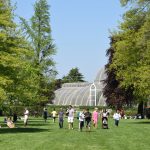
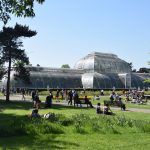
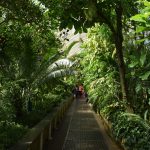
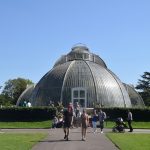
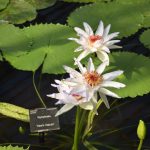
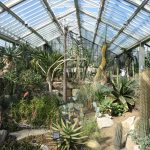
Passing through there leads you in the direction of the Princess of Wales Conservatory (opened by its namesake in 1987, and since dedicated as a memorial), which contains the Venus Fly Traps, the fish (why are there fish?) and a range of other, well, plants. Quite a lot of it is on split levels, which is fun, with doors between the sections at different heights… and oops, I’ve stopped talking about the plants again. Right, let’s get back on track: between them, and not to be overlooked, is the much smaller Waterlily House, which contains (I can do this) water lilies. See, I do know what I’m talking about.
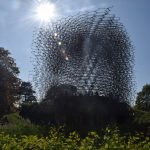
To finish off I should talk about the gardens themselves, because of course Kew isn’t just its greenhouses—there are acres of what is essentially fancy parkland to explore, with occasional uninterrupted vistas through them, all patrolled by the Gardens’ private police force. Up at the far end by the river, for instance, is the Rhododendron Dell, which I briefly saw (I was rushing to meet my friend, and didn’t manage to go back—another time) and which was a riot of colour, as I believe they say at the Chelsea Flower Show. Very close to the Princess of Wales Conservatory is the Hive, which is a huge beehive-like artwork that’s designed to promote apian conservation, I believe. Worth mentioning as well is that the gardens contain a Historic Royal Palace (Kew Palace, in fact), admission to which is included in an entry ticket to the gardens, but we just ran out of time to see everything.
Xylem, ericaceous, lichenicolous, acaulescent: I think I’ve proven, throughout the course of this post, that I probably don’t know what any of these words mean, and am woefully under-qualified to write a review of the Royal Botanic Gardens. You should, however, take this as a recommendation—I had a great time at Kew, and to be honest even just being able to lie down and chill on the grass in the middle of London, without worrying about lying in something nasty (dogs aren’t allowed), is worth the admission fee. Zoologists can whistle—for this day trip, at least, the botanists have you beat.


Leave a Reply to 8 police forces you never knew existed – Escaping Oxford Cancel reply